Pillar
Business
Indian small businesses live and die by cash flow, not just profit. This hub covers the finance that actually runs a business — GST and TDS, receivables and payables, working capital, MSME loans, and the bookkeeping discipline that keeps you solvent and audit-ready, whether you are a freelancer, a trader, a manufacturer, or running a family enterprise. It is for the owner who is good at the work but loses sleep over the money side — the receivables that arrive late, the GST deadline that sneaks up, the loan that costs more than its 'flat rate' suggested. The aim is a few systems that prevent the common disasters: separating business and personal money, a calendar for statutory dues, a habit of chasing receivables, and a forecast that warns you before cash runs short.
What this pillar teaches
- Separating business and personal money
- GST registration, returns and cash-flow timing
- TDS for contractors and consultants
- Working capital, receivables and payables
- MSME loans, CC limits and financing
- Reading a P&L and managing business cash flow
Start here — beginner path
- Business Registrations and Licences in India: The Complete Map
- GST for Small Business in India: What You Actually Need to Know
- Business Cash Flow for Indian SMEs: Why Profit Doesn't Equal Cash
- Udyam Registration: How to Register Your MSME (Step by Step)
- MSME Registration Benefits: Is Udyam Registration Worth It?
How to work through Business
- Understand the basics — start with the beginner path above so the core ideas are clear before you act.
- Set up a system — use the calculators and templates here to put your own numbers into the idea.
- Apply it to real life — make one concrete decision or change, not ten at once.
- Review on a rhythm — revisit monthly or quarterly so the system keeps working as your situation changes.
Calculators for business
Templates & trackers
All Business guides
Does Anant Ambani Really Have Less Control? Reliance Succession Plan Explained
Does Anant Ambani really have less control than Akash and Isha? Understand Reliance's succession plan, ownership, board roles and business division.
Business Document Checklists by Business Type
One index, organised by what you actually do — proprietor, trader, manufacturer, retailer, freelancer, online seller — instead of one long undifferentiated list.

Business PAN, Personal PAN, TAN and GSTIN Explained
Four numbers, four purposes: which PAN to use as a proprietor, when you need a separate TAN, and how to read your own GSTIN in ten seconds.
Business Registrations and Licences in India: The Complete Map
GST, Udyam, Shops & Establishments, FSSAI, EPFO, trademark — most small businesses need only 3-5 of the ~15 registrations that exist. Here is the map.
Central vs State vs Municipal Business Approvals: Who Regulates What
The same business can answer to Delhi, its state capital, and its local municipal ward simultaneously. Here is which layer handles what, and why they don't coordinate.
Consent to Establish vs Consent to Operate: Pollution Clearance Explained
Two separate approvals, in a fixed order, from your State Pollution Control Board — and which one you need at all depends on which of four colour categories your activity falls into.
Documents Required for an Agricultural Trader in India
APMC licensing is the one requirement most generic checklists get wrong — it applies in some states, has been deregulated in others, and depends entirely on what you trade and where.
Documents Required Before Starting a Business in India
Not a reference list — a sequence. What to have ready before day one, what to get in the first month, and what genuinely waits until you grow.
Documents Required for a Manufacturing Business in India
Manufacturing pulls in more of the compliance map than almost any other activity — factory licence, pollution consent, and labour law all trigger at once. Here is the real list.
Documents Required for a Retail Shop in India
The most common physical business type, and the most commonly under-documented — most shop owners have GST and stop there, missing two or three other genuine requirements.
EPFO Registration Applicability: The 20-Employee Threshold Explained
The headcount rule hasn't changed, but what counts as a covered establishment has — the November 2025 labour codes widened EPF's reach even as the '20' stayed the same.
ESIC Registration Applicability: Two Different Thresholds That Get Confused
One threshold decides if your establishment must register. A completely different one decides which of your employees are actually covered. Most confusion comes from mixing the two up.

Fire NOC for Businesses: When You Need It and Why It Blocks Everything Else
Without a valid Fire NOC, your occupancy certificate, trade licence, and health licence typically will not be issued either — it sits upstream of almost everything.
FSSAI Registration vs State Licence vs Central Licence
The turnover bands changed dramatically from 1 April 2026 — registration now covers businesses up to ₹1.5 crore, not ₹12 lakh. Here is the current framework.
GST Registration Documents for a Proprietorship
The exact document list for a sole proprietor registering for GST — identity, address, bank, and photograph proof — with the common rejection reasons.
Import Export Code (IEC): When You Need It and the Annual Trap
IEC has lifetime validity, which sounds like 'get it once and forget it' — except it deactivates automatically if you miss a free annual update window.
Mandatory vs Optional Business Registrations in India
Some registrations are legal obligations with real penalties for skipping them. Others are voluntary and only cost you the benefit of not having them. Here is which is which.
Registration vs Licence vs Certificate vs NOC: What's the Difference?
These four words get used interchangeably in India, but they mean different legal things — and knowing the difference tells you what you can lose and how.
Shops and Establishments Registration: What It Is and Why It's Easy to Skip
No central law, no turnover threshold in most states, no automatic enforcement trigger — which is exactly why this registration gets skipped until a bank or inspector asks for it.
Sole Proprietorship Documents in India: The Complete List
A proprietorship has no separate legal identity, which makes 'what documents do I need' a genuinely confusing question. Here is the actual answer.

Trade Licence vs Shops and Establishments Registration
Both come from your premises. Both feel similar on the application form. They are issued by different authorities for different reasons — and most businesses need both, not either/or.
Zoho Books vs TallyPrime: Which Is Better for Indian Businesses in 2026?
Compare Zoho Books vs TallyPrime for GST, invoicing, inventory, pricing, mobile access and accounting to choose the right software for your Indian business.
Accepting Digital Payments: UPI, Gateways, and the Real Costs
UPI, cards, wallets, and gateways all cost different amounts to accept. A clear guide to digital payment options and the fees that quietly eat your margin.
Advance Tax for Businesses and the Self-Employed
If your tax for the year exceeds Rs.10,000, you must pay advance tax in four instalments. Learn the due dates, how to estimate it, and how to avoid interest.
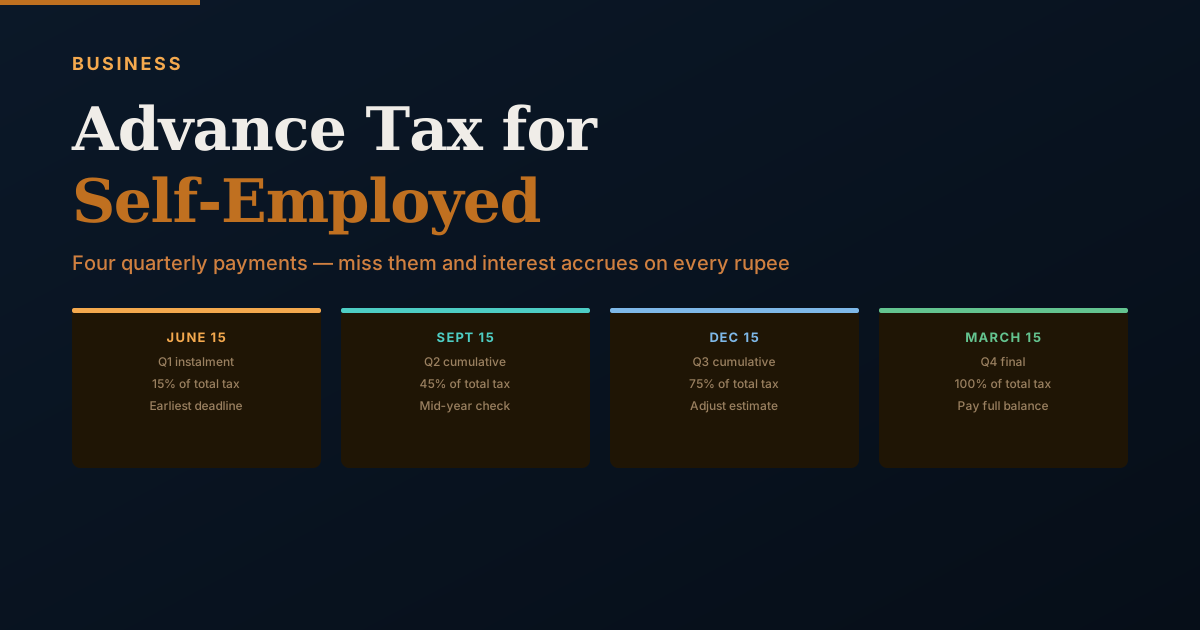
Advance Tax for Self-Employed: How to Calculate and Pay on Time
Self-employed, freelancing, or running a business? Advance tax is mandatory and missing deadlines costs interest. Here's how to calculate and pay it.
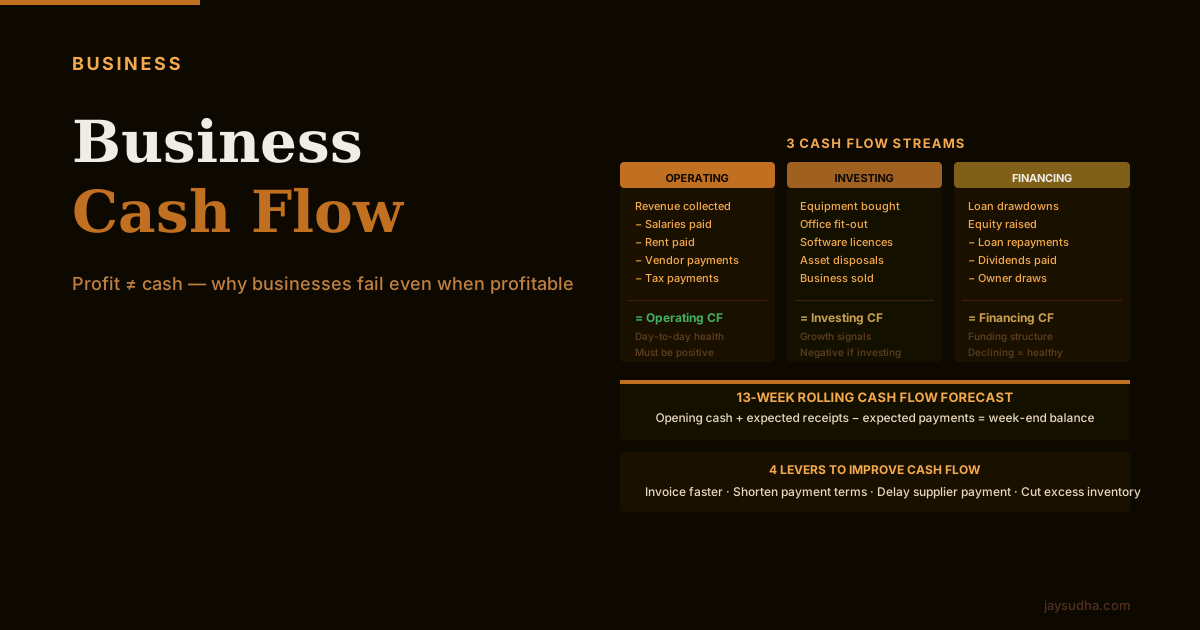
Business Cash Flow for Indian SMEs: Why Profit Doesn't Equal Cash
A profitable business can still run out of cash. Knowing the difference between profit and cash flow, and tracking both, keeps your business healthy.

Business Emergency Fund: Why Freelancers Need One Separate from Personal
A business emergency fund shields your work from cash flow gaps such as client delays, slow months, or equipment failures. Keep it separate from personal.
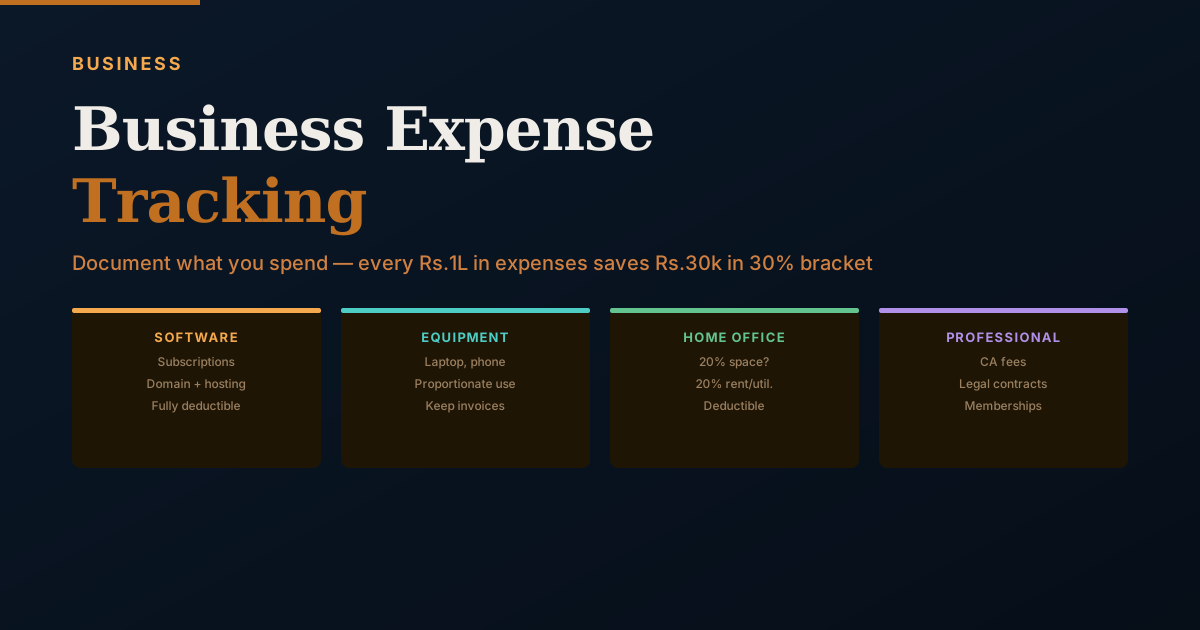
Business Expense Tracking for Freelancers and Small Businesses
Tracking business expenses correctly reduces taxable income and protects you in a tax audit. Here's what counts as a business expense and how to document it.
Business Insurance Basics for Indian SMEs
One fire, lawsuit or key-person illness can wipe out years of profit. The core business insurance covers Indian SMEs actually need, and how to size them.

Getting Your Small Business Loan-Ready
Loan readiness starts before you apply. Learn what Indian lenders check — credit, cash flow, GST filings, documents and loan purpose — so your application is easier to underwrite.

Cash Flow Forecasting: The Skill That Keeps Small Businesses Alive
Profitable businesses still go under when they run out of cash. Build a simple 13-week cash flow forecast and spot shortfalls weeks before they hit you.
How to Choose a CA or Accountant for Your Business
The right CA saves far more than they cost; the wrong one brings notices and missed deadlines. How to choose, what to pay, and what work to keep in-house.
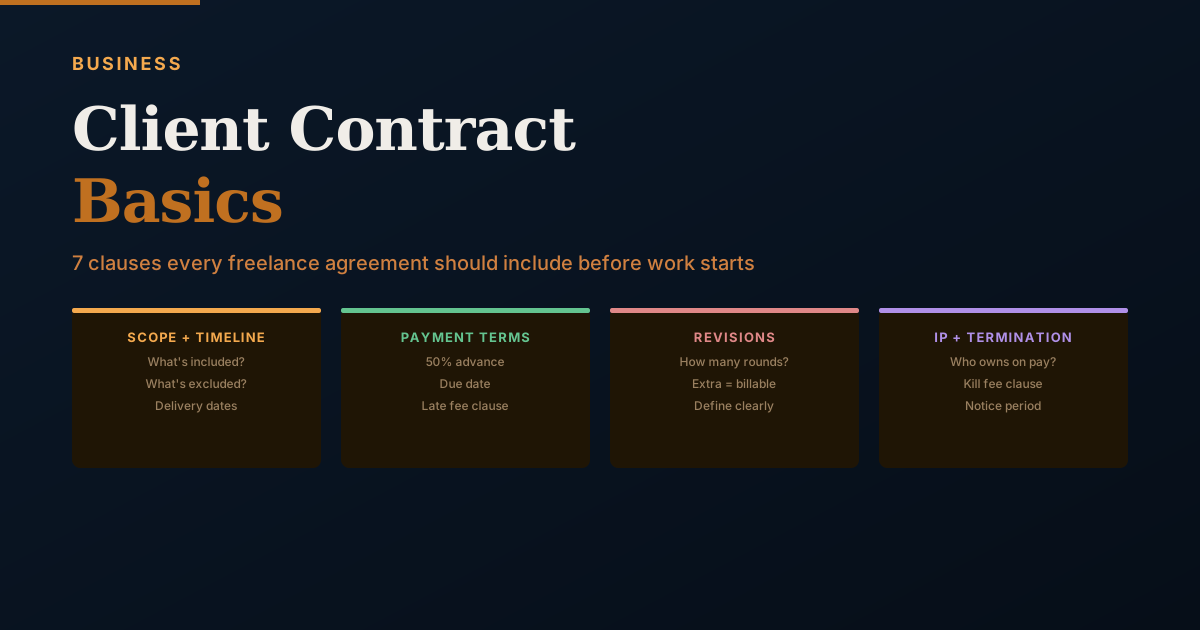
Client Contract Basics for Freelancers: What to Include
A simple written agreement protects both you and your client. These are the essential clauses every freelance contract should cover — in plain language.
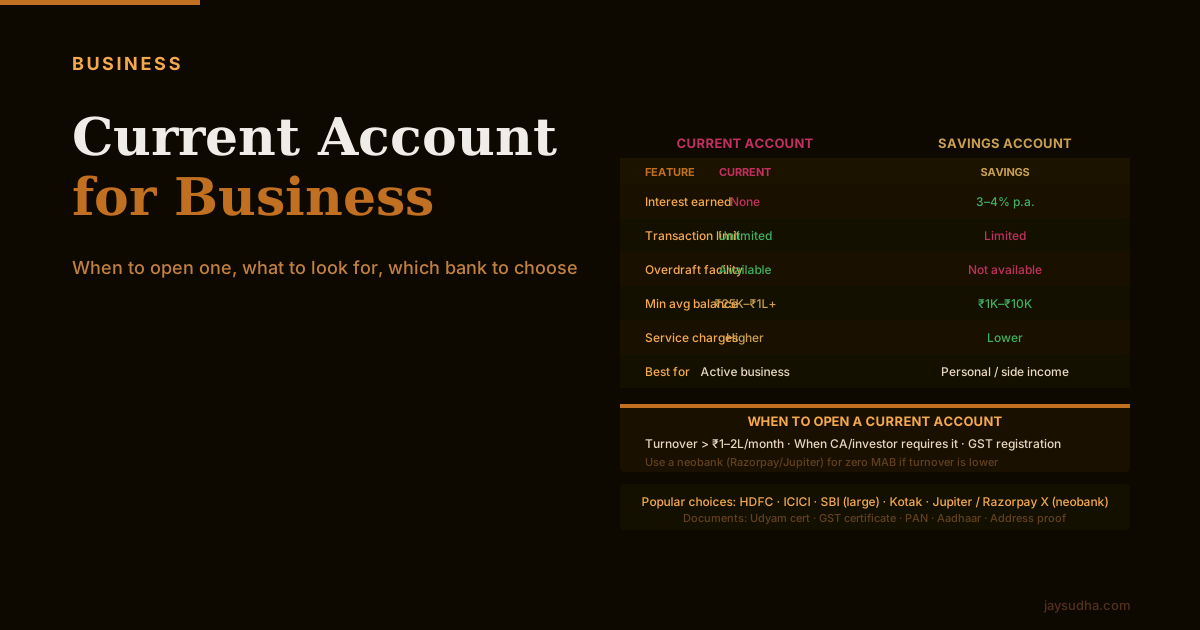
Current Account for Your Business: What It Is, When You Need One, and How to Choose
A current account is the foundation of business banking in India. Learn how it differs from savings, when to open one, and what features to seek.
Depreciation and Fixed Assets: A Small-Business Primer
Depreciation spreads equipment cost over its useful life and cuts taxable profit. Learn WDV vs straight-line and the Income Tax vs Companies Act methods.

E-Way Bill: When You Need One and How to Generate It
Moving goods worth over Rs.50,000 usually needs an e-way bill. Learn when it applies, who generates it, validity by distance, and costly mistakes.
Export Finance Basics for Small Indian Businesses
Exporting needs more than a buyer abroad. An IEC, the right GST treatment via LUT, and export credit explained for small Indian exporters in plain English.
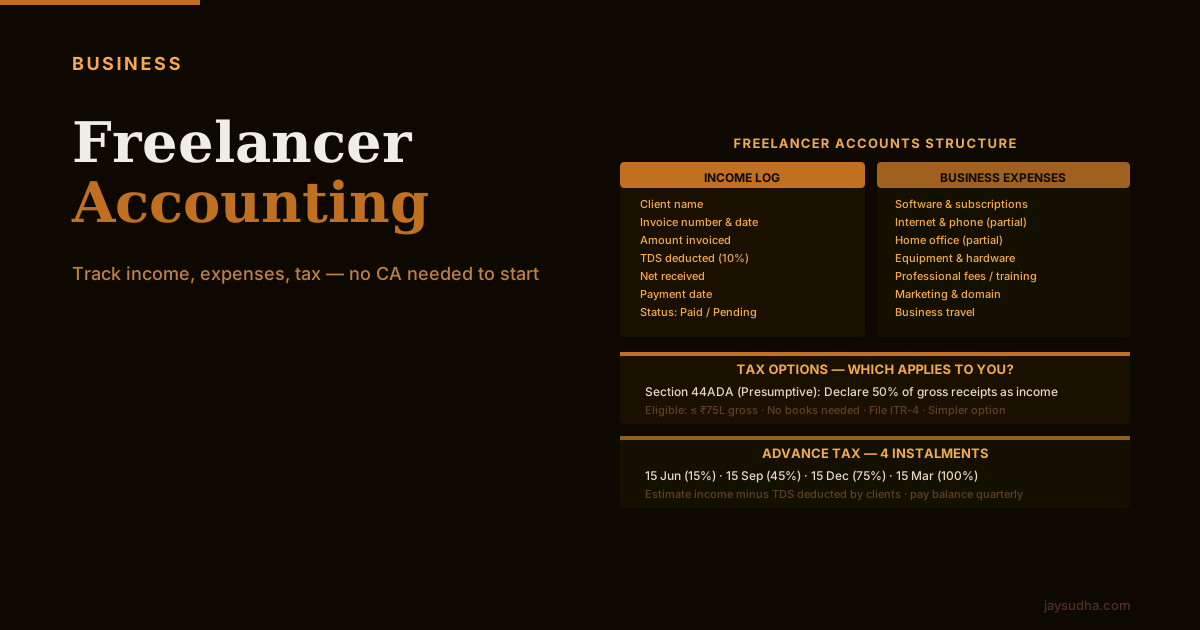
Freelancer Accounting in India: Records, Invoices, and What You Must Track
Freelancing in India creates specific tax and accounting duties. Here's the full picture of what to track, what to invoice, and how to stay compliant.
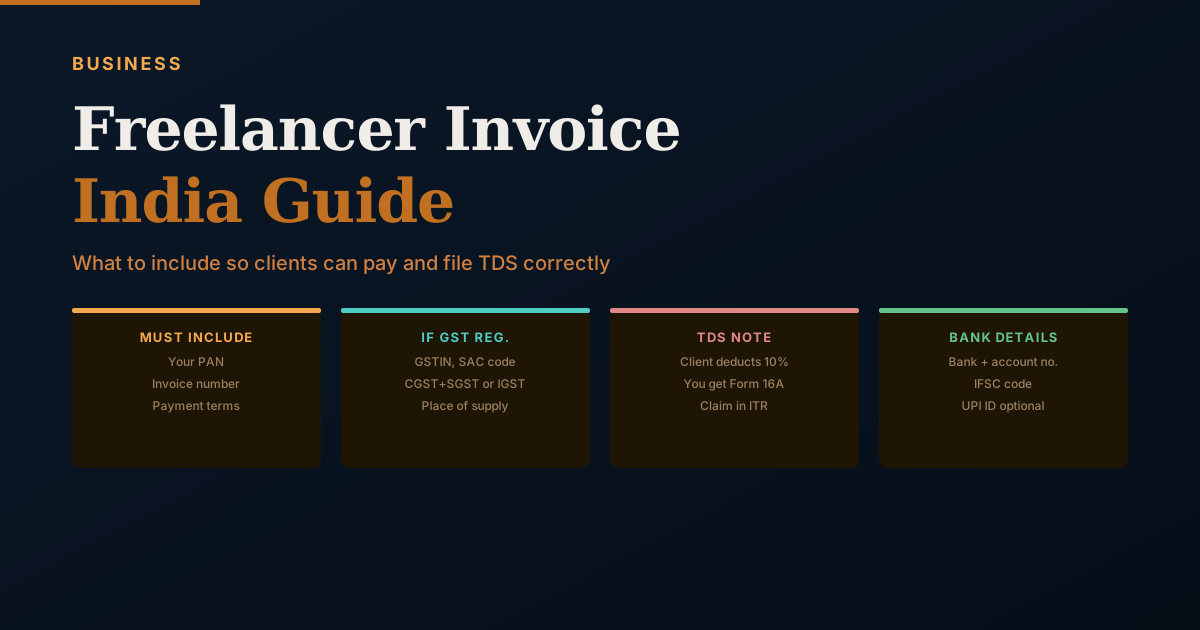
Freelancer Invoice Guide India: What to Include and How to Get Paid
A professional invoice is your legal proof for getting paid. Indian freelancers must include specific elements to stay compliant and avoid disputes.

GST Composition Scheme: Is It Right for Your Small Business?
The GST composition scheme trades input tax credit for a low flat rate and quarterly filing. Learn the eligibility limits, costs, and when it fits.
GST for E-Commerce Sellers in India
Selling on Amazon, Flipkart or Meesho? GST registration is mandatory regardless of turnover, and platforms deduct TCS. What every online seller must know.
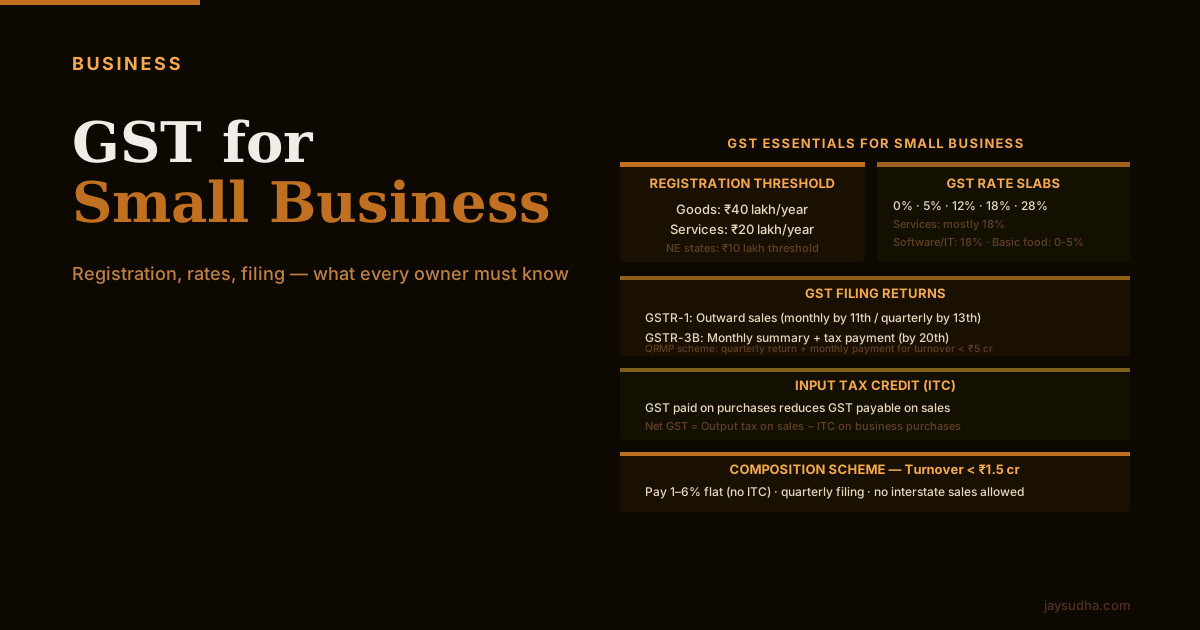
GST for Small Business in India: What You Actually Need to Know
GST compliance for a small business is simpler than it looks once you grasp the basics: registration thresholds, return filing, and input tax credit.
GST on Services vs Goods: What Actually Changes
GST treats goods and services differently on rates, place of supply, and codes. Learn what genuinely changes between the two, with examples for SMEs.
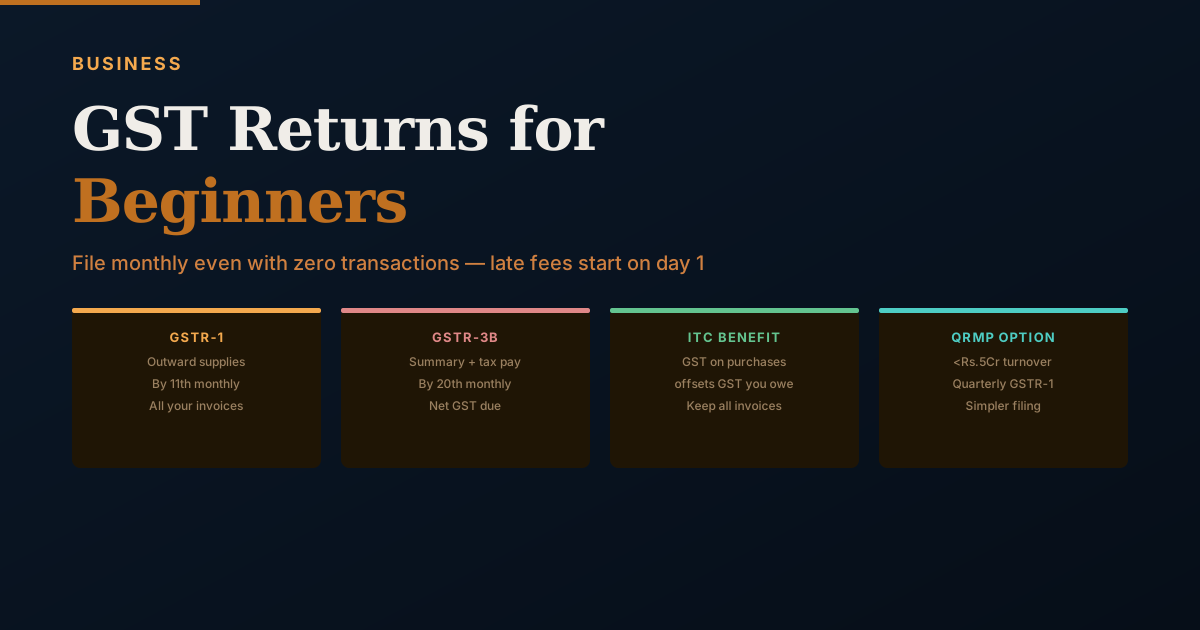
GST Returns for Small Businesses: Which Forms to File and When
GST needs regular filing even in months with no sales, or late fees and interest pile up. This is the minimum you need to know to stay compliant.

How to Pay Yourself as a Business Owner in India
Salary, drawings, or dividend? How you pay yourself depends on your structure and affects tax and TDS. A guide for proprietors, partners, and directors.
Input Tax Credit (ITC) Explained for Small Business Owners
Input tax credit offsets GST paid on purchases against GST you owe, but only if four conditions are met. A plain guide to claiming ITC without notices.

Managing Vendor Payments and Credit Terms
How you pay suppliers shapes cash flow as much as how you collect. Learn to negotiate credit terms, time payments, and stay onside with MSME payment rules.
MSME Amendment Bill 2026: Proposed Changes to the 45-Day Payment Rule and Delayed-Payment Recovery
The verified status of the MSME Amendment Bill 2026, the existing 45-day payment rule, delayed-payment interest, the ODR/MSEFC claim process, and Section 43B(h).
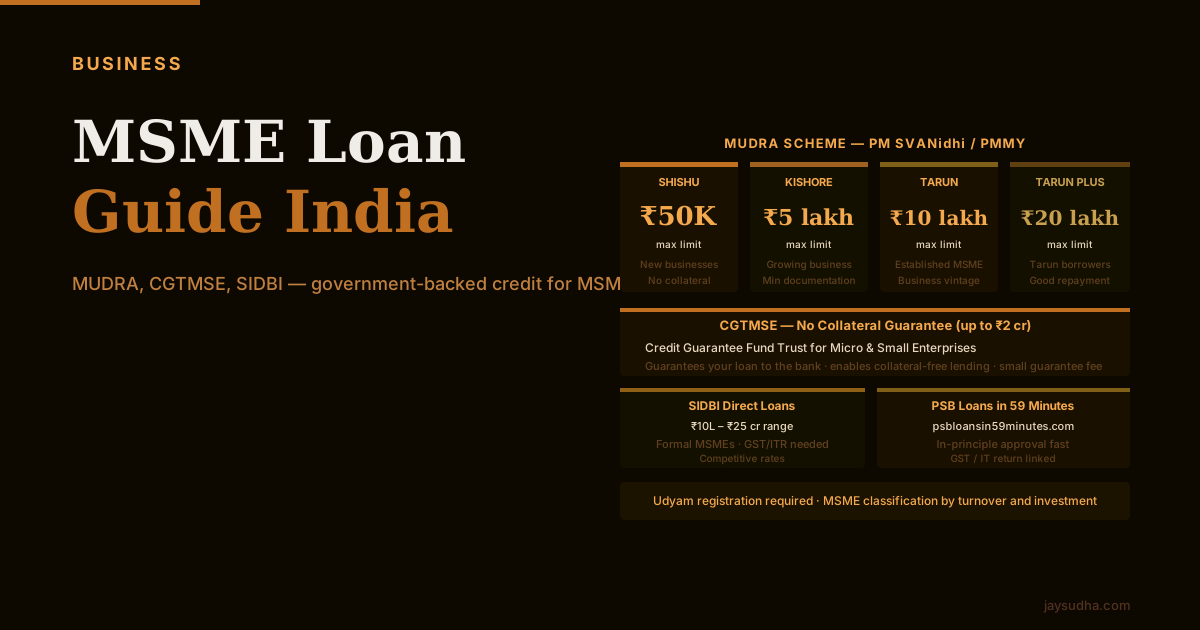
MSME Loans in India: Types, Eligibility, and How to Apply
Government-backed MSME loans offer collateral-free credit and lower rates. Here's what's available, who qualifies, and how to apply step by step.
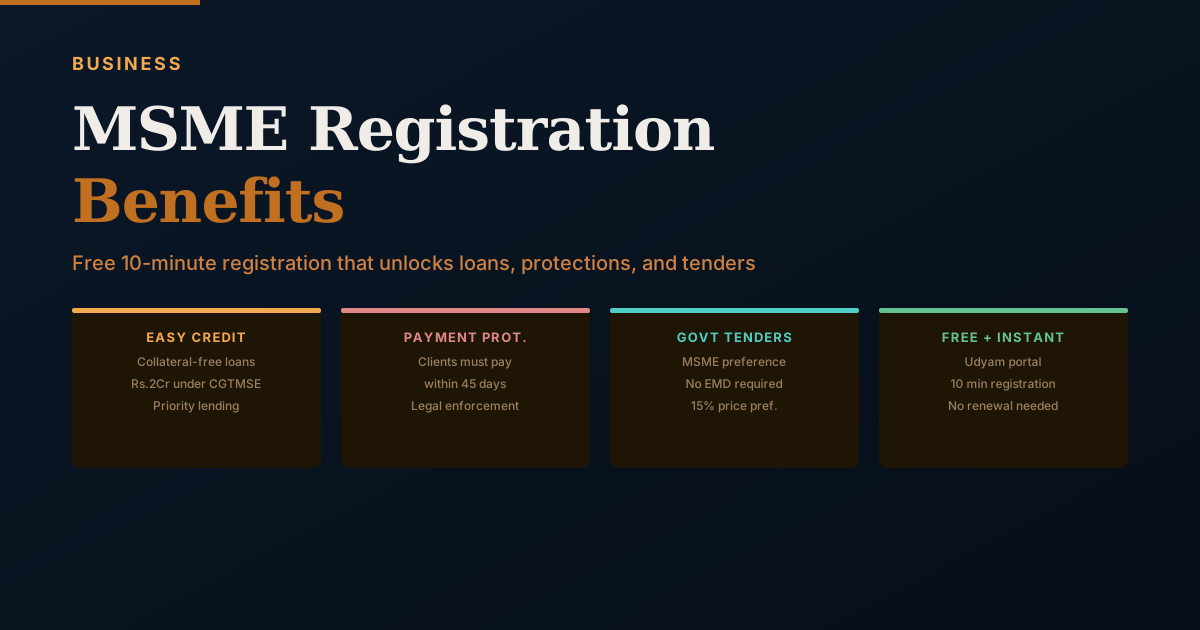
MSME Registration Benefits: Is Udyam Registration Worth It?
MSME (Udyam) registration is free, takes 10 minutes, and unlocks real benefits: priority loans, payment protections, government tenders, and patent subsidies.

Partnership Deed Basics: Protecting the Business and the Friendship
Most partnerships break over money and roles, not bad intentions. A clear partnership deed fixes profit share, duties, exits and disputes well in advance.
Petty Cash and Expense Management for Small Business
Small cash payments quietly leak money and break your books. A simple imprest float, vouchers and regular reconciliation keep every rupee accounted for.
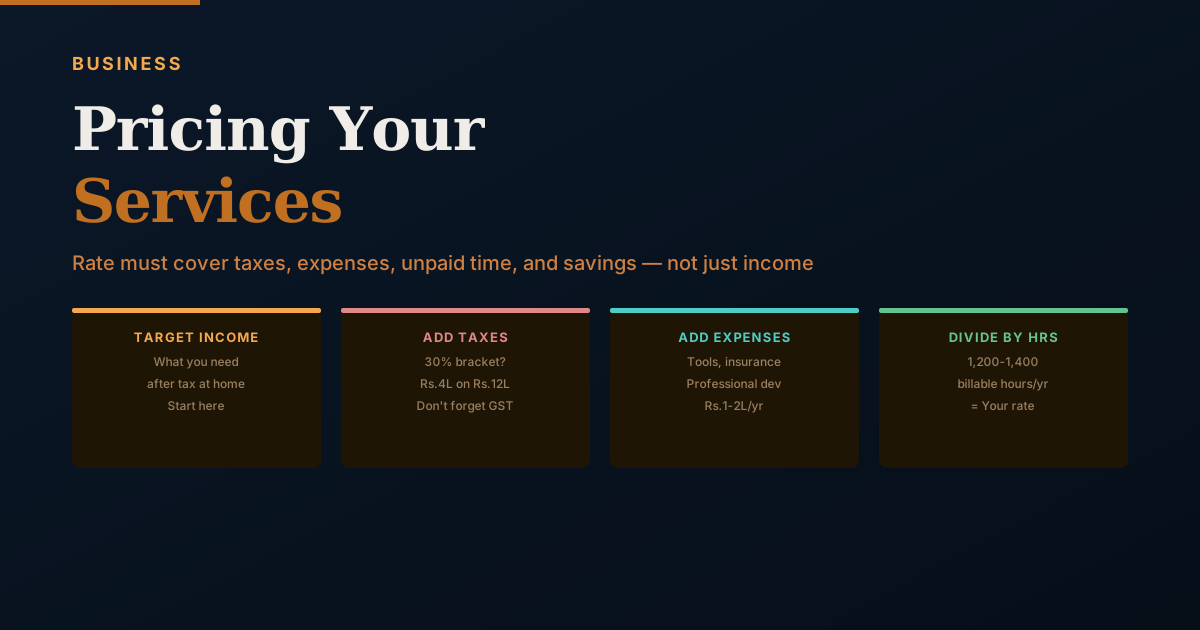
Pricing Your Services as a Freelancer: How to Set Rates That Work
Underpricing is the most common freelancer mistake. Your rate must cover taxes, business costs, unpaid time, and savings, not just match a salary.
Private Limited vs LLP vs Proprietorship: Which Structure Fits You?
Compare proprietorship, LLP, and private limited on liability, compliance, tax, and fundraising. A practical guide to choosing the right business structure.
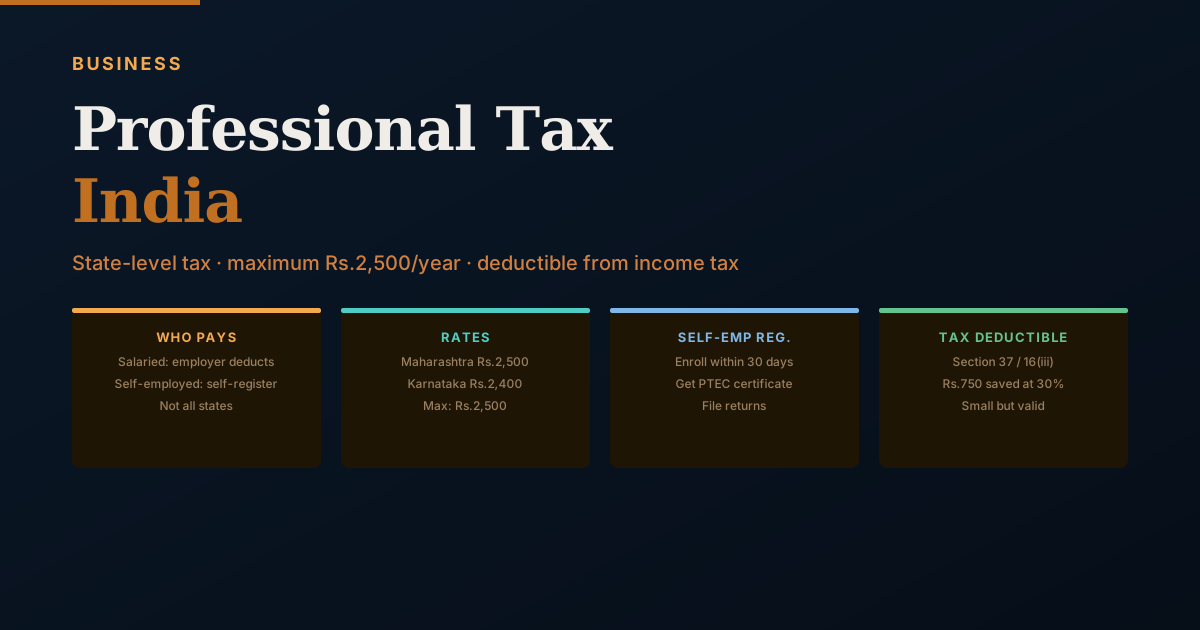
Professional Tax in India: Who Pays, How Much, and When
Professional tax is a state-level tax on employment and self-employment income. It's small but mandatory, and the rate and method vary by state.
Proforma Invoice vs Tax Invoice: The Difference
A proforma invoice is a quote, not a GST document. A tax invoice is GST-compliant and lets clients claim input tax credit. Why the difference matters.
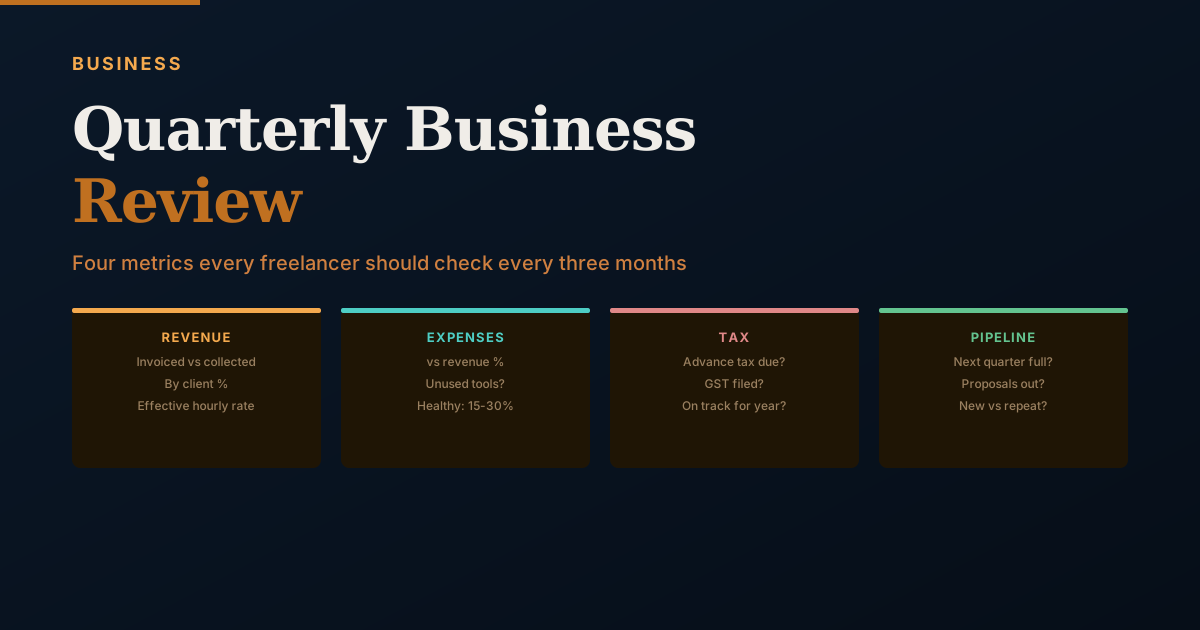
Quarterly Business Review for Freelancers: What to Measure
A quarterly financial review for freelancers and solopreneurs stops small problems from growing. These are the numbers that matter every three months.
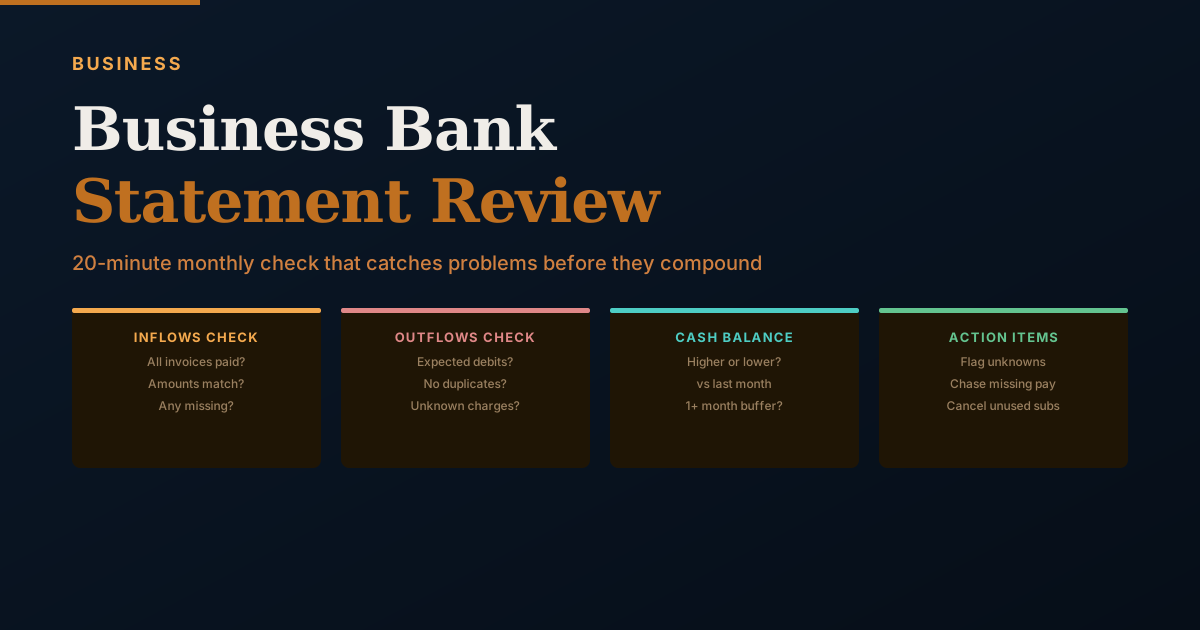
Reading Your Business Bank Statement: What to Look For Each Month
A monthly bank statement review takes 20 minutes and reveals cash flow patterns, unauthorized debits, and receivables gaps before they hurt you.
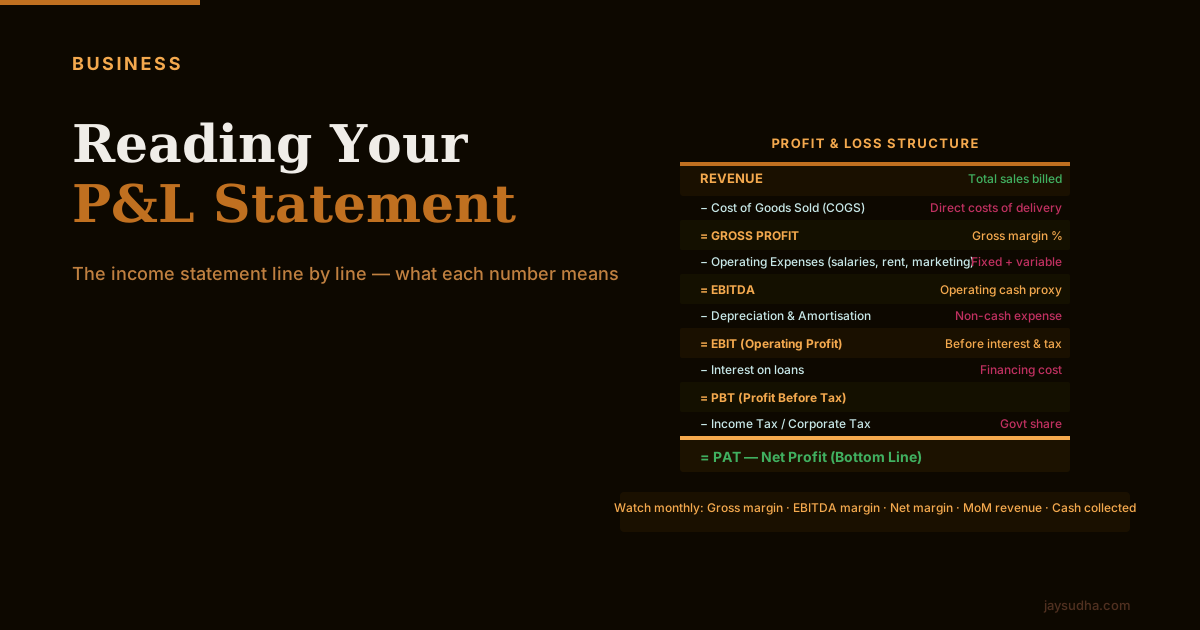
How to Read a Profit and Loss Statement: A Guide for Indian Business Owners
Your P&L shows whether your business made money and why. Learn to read the key lines, understand margins, and use it to make better business decisions.

Registering a Trademark for Your Small Business
A trademark protects your brand name and logo. Learn the classes, the TM versus R symbol difference, the application steps via ipindia.gov.in, and the costs.
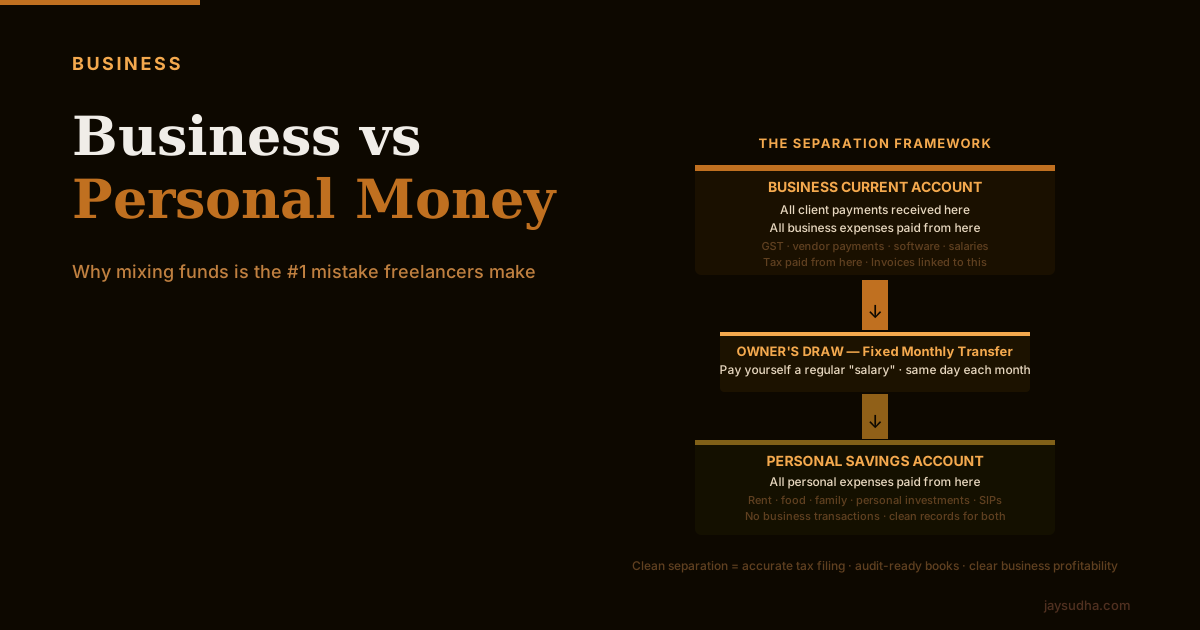
Why You Must Separate Business and Personal Finances (And How to Do It)
Mixing personal and business money is a common mistake for Indian freelancers and owners. Separation makes accounting, taxes, and health clearer.
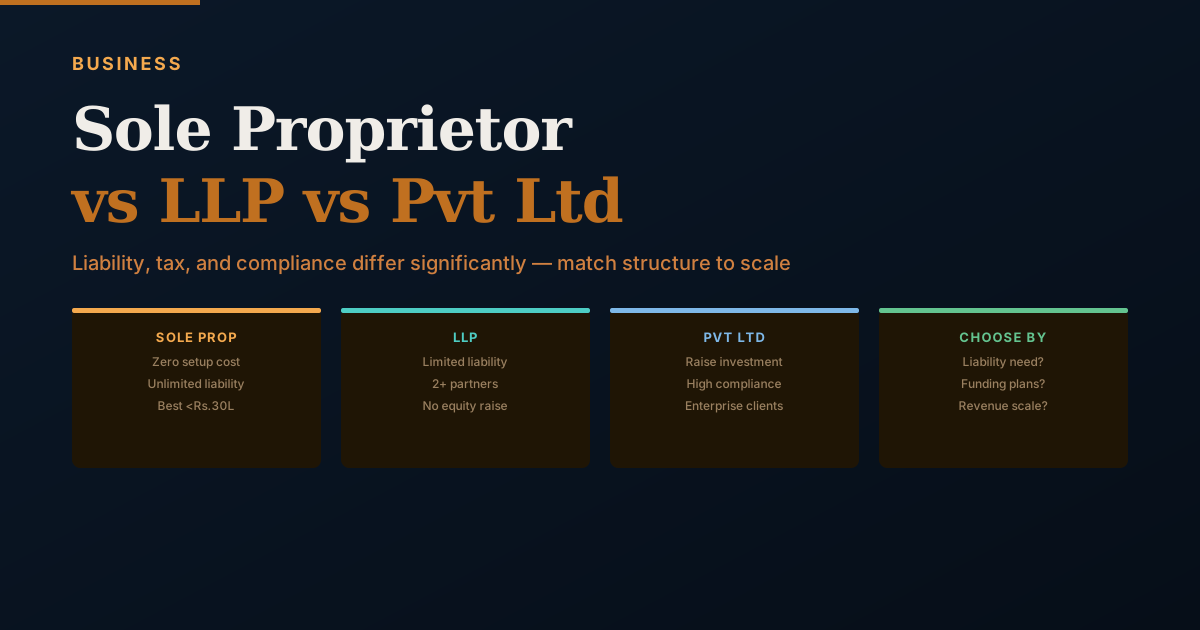
Sole Proprietor vs LLP vs Private Limited: Choosing Your Business Structure
Your business structure affects tax, liability, compliance, and fundraising. The right choice depends on your business scale and risk appetite.
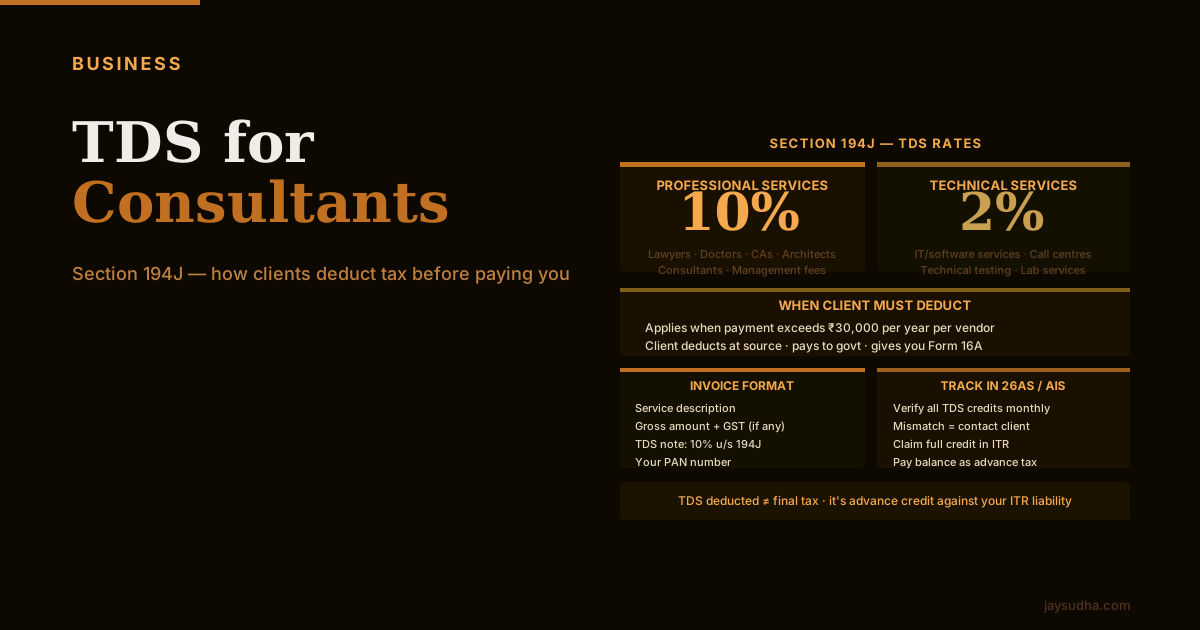
TDS for Consultants and Freelancers in India: What Gets Deducted and What to Do
When a company pays you as a consultant, it deducts TDS under Section 194J. Learn the rate, how to track it, and how to claim the credit in your ITR.
TDS vs TCS for Small Business: The Difference That Trips People Up
TDS is tax you deduct on payments out; TCS is tax you collect on certain sales. Learn which applies to you, the rates, due dates, and how to stay compliant.

Udyam Registration: How to Register Your MSME (Step by Step)
Udyam registration is free and takes minutes, unlocking priority loans, lower interest, and 45-day payment protection. Here is the exact step-by-step process.
Common mistakes in business
- Confusing profit with cash flow — profitable on paper, yet short of cash to pay bills
- No system to follow up receivables, so money stays stuck with customers
- No GST/TDS calendar, leading to missed deadlines, interest, and penalties
- Mixing personal and business money, which hides the real health of the business
- Borrowing or pricing without knowing the true working-capital cycle and cost of capital